Fan Debate Rages: Why Maki Zenin's Clan Wipeout Reportedly Falls Short of Itachi's Uchiha Massacre
7 months ago
Share this news:
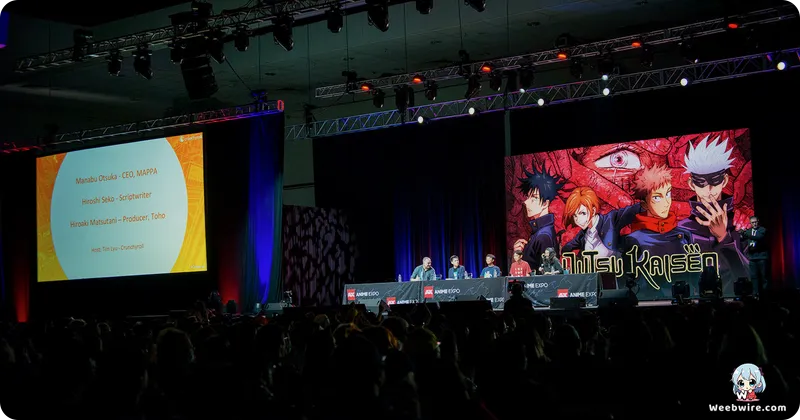
A recent analysis has sparked debate among anime fans, arguing that Maki Zenin’s brutal extermination of the Zenin clan does not hold the same narrative weight as Itachi Uchiha’s infamous Uchiha massacre. This discussion arrives as anticipation builds for the next major developments in Jujutsu Kaisen, following the intense display of power during the Zenin family conflict.
Maki initially entered the Zenin compound seeking cursed tools but was immediately caught in a deadly trap set by her father, Ogi. Driven by his contempt for his daughters, Ogi intended to kill both Maki and Mai. It was Mai’s ultimate sacrifice that finally activated Maki’s full Heavenly Restriction, elevating her power level to match the legendary Toji Fushiguro.
Maki wasted no time, immediately bisecting Ogi. She then systematically dismantled the Kukuru Unit and the Hei squad, despite their coordinated ambush efforts. Naoya Zenin attempted to taunt Maki over her lack of cursed energy and her scarred appearance.

Maki’s newfound speed proved overwhelming, easily surpassing Naoya's subsonic Projection Sorcery technique. She quickly decapitated Chojuro and Nobuaki before they could react, leaving Naoya stunned by her rapid transformation. The rampage concluded when Maki killed her mother, ignoring her pleas, before carrying Mai’s body out of the compound as Momo Nishimiya watched in tears.
The core argument favoring Itachi’s feat centers on emotional depth and technique. The analysis claims Itachi’s solo genocide, where he intentionally spared only Sasuke, surpasses Maki’s rampage due to its tragic secrecy and the use of powerful Sharingan illusions. While Maki’s pure blade work was cinematically stunning, Itachi’s act remains the established benchmark for a clan-killer narrative in shonen anime.