The DBZ Betrayal: New Analysis Argues Western Localization Censored and Diluted Akira Toriyama's Masterpiece
8 months ago
Share this news:
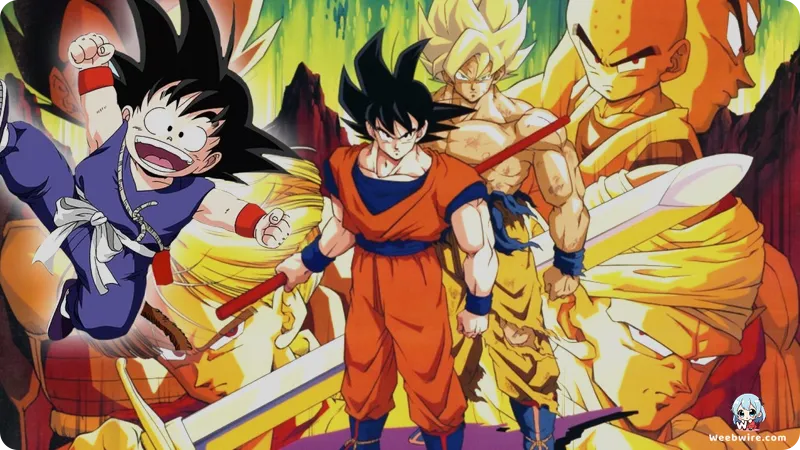
The global legacy of Dragon Ball Z, a monumental pillar of shonen anime, is once again under intense scrutiny regarding its journey to Western audiences. A provocative new analysis has reignited a passionate debate, asserting that localization efforts fundamentally compromised the quality and reception of Akira Toriyama’s masterpiece. This critical perspective details how strategic editorial and distribution choices made in North America, spearheaded initially by Saban and later by Funimation, allegedly inflicted substantial damage, eroding the integrity of some of the series’ most iconic and narratively rich arcs.
At the heart of the controversy lies the extensive implementation of censorship and content modification. These changes ranged from heavily revised dialogue and outright removal of pivotal scenes to an inconsistent and erratic approach to pacing, which collectively fractured the intricate narrative flow intended by the original creators. Critics contend that these corporate-driven modifications, often justified by the need to conform to perceived Western cultural norms or maximize profit, systematically stripped the series of its essential character nuance, profound emotional resonance, and deep narrative layers that were hallmarks of Toriyama’s vision in the original manga and Japanese anime.
The Impact on Key Sagas
The critique specifically targets the crucial Majin Buu Saga. Despite being foundational for subsequent series like Dragon Ball Super and featuring unforgettable dramatic high points, including the introduction of the formidable Majin Vegeta, the arc's Western reception has historically been mixed, often citing issues with pacing and narrative detours. The analysis forcefully argues that these perceived flaws were significantly amplified by the localization process's heavy-handed editing and inconsistent handling, leading many Western fans to overlook the saga's structural importance.
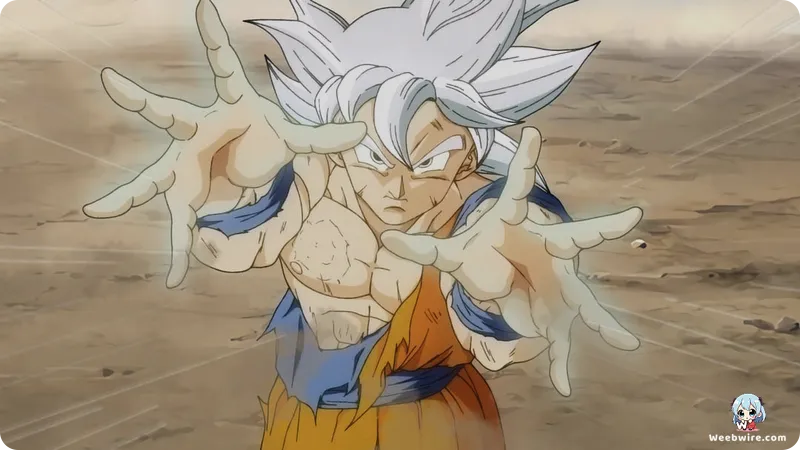
Furthermore, the handling of the prequel series, Dragon Ball, is cited as another example of mishandling, suffering from concurrent English-language releases and uneven censorship that obscured its adventurous spirit and comedic origins.
This comprehensive viewpoint argues that these adaptation practices have led to a potentially skewed understanding among Western viewers regarding one of the world's most successful shonen franchises. The ongoing discussion highlights the complex dynamics inherent in international distribution, reminding viewers of the critical importance of artistic fidelity during translation and adaptation processes, and reflecting on how these past modifications might continue to shape Dragon Ball Z's global standing.