
Back to Anime List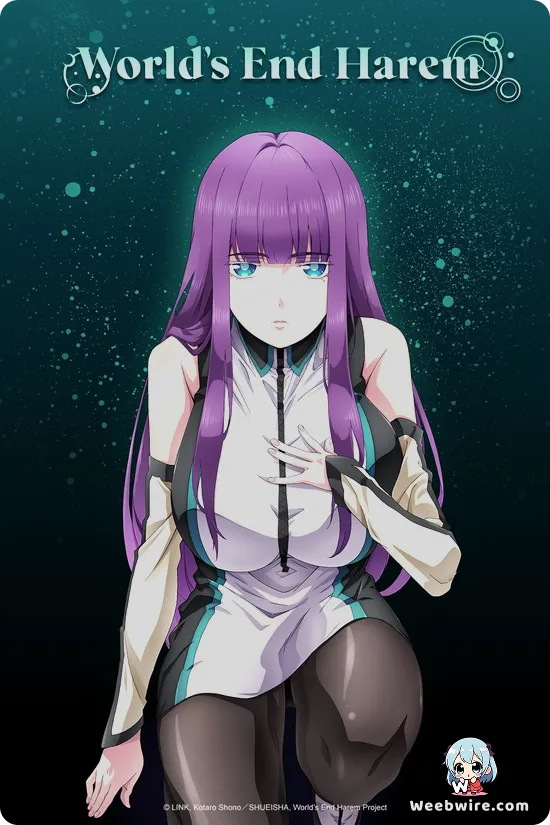
© AXsiZ, Studio Gokumiwww.crunchyroll.com
Overview
Set in a terrifyingly plausible future of 2040, World's End Harem introduces a dystopian reality shattered by the catastrophic MK (Man-Killer) Virus, which has decimated the global male population. Only a handful of men, genetically immune to the pathogen, survive, preserved in cryogenic slumber. The central narrative focuses on Reito Mizuhara, a young man who awakens after five years of cryostasis to find himself in a world drastically redefined by gender imbalance. He is designated as one of humanity ’s most vital assets, responsible for contributing to the repopulation effort in a society now dominated by women known as the Amazonian World. Reito, however, is driven by a singular, personal goal: locating Erisa Tachibana, his childhood friend and deeply cherished love interest who vanished amidst the post-pandemic chaos. The anime meticulously explores the ethical and moral weight placed upon Reito, contrasting his desire for genuine romance with the societal pressure to fulfill his biological duty. The setting is rich with speculative elements, showing advanced technology existing alongside profound human loss and desperation. Produced collaboratively by AXsiZ and Studio Gokumi, the series leverages detailed character designs and a somber aesthetic to underpin its mature themes. It is categorized as a sci-fi drama with significant ecchi elements, offering a unique perspective on survival, autonomy, and the complexities of human relationships when the continuation of the species is at stake. The narrative consistently challenges the protagonist's emotional resilience as he navigates aggressive courtship and political maneuvering within this newly established matriarchy.
Opinion
World's End Harem presents a compelling, albeit controversial, premise that attempts to merge mature sci-fi dystopia with the ecchi genre. Critically, the series excels in establishing a high-stakes setting and immediately thrusting protagonist Reito Mizuhara into a profound ethical dilemma. His character development, centered on his unwavering loyalty to Erisa amid overwhelming societal pressure, provides a robust emotional anchor that elevates the narrative beyond typical harem tropes. However, the story pacing occasionally falters, especially when balancing the serious political intrigue regarding the MK Virus cure with the frequent, obligatory ecchi sequences, leading to tonal inconsistencies. From a production standpoint, the animation handled by AXsiZ and Studio Gokumi is generally competent, featuring clean character models and effective use of shadow to enhance the post-apocalyptic mood. While the visual quality is solid, it rarely reaches standout cinematic moments. The voice acting, particularly Kaito Ishikawa as Reito, effectively conveys the protagonist's conflicted state and reluctance, grounding the surreal circumstances in genuine emotion. A significant critique must be levied against the heavy-handed television censorship, which frequently obscures pivotal plot elements and undermines the mature thematic exploration of autonomy and reproduction the series aims for. To fully appreciate the thematic depth and visual intent, viewers may need to seek out uncensored versions. Overall, the anime is a thought-provoking watch, but its execution is hampered by pacing issues and the constraints imposed by broadcast standards.
Characters
Karen Aso
Voice: Ai Kayano
Reito Mizuhara
Voice: Kaito Ishikawa
Yuzuki Mutou
Voice: Haruka Tomatsu
Erisa Tachibana
Voice: Ami Koshimizu
Natsu Ichijō
Voice: Shino Amakusa
Credits
Studio
AXsiZ, Studio Gokumi
Cover Art
Masaru Koseki
Publisher
Shueisha
Producers
AXsiZ, Studio Gokumi
Episodes
Season 1
11 episodesInformation
StatusCompleted
Total Episodes11
Duration24 min
Rating6.2
ReleasedWinter 2022
Seasons1
Genres
EcchiSci-Fi
Related Anime

Tsugu Tsugumomo Anime: Story, Characters, and Similar Anime
Spring 2017★ 7.8
ActionComedy+4

My Hero Academia: Two Heroes
Summer 2018★ 7.5
ActionComedy+2

Prison School Anime: Story, Characters, & Similar Anime
Summer 2015★ 7.4
ComedyEcchi+3
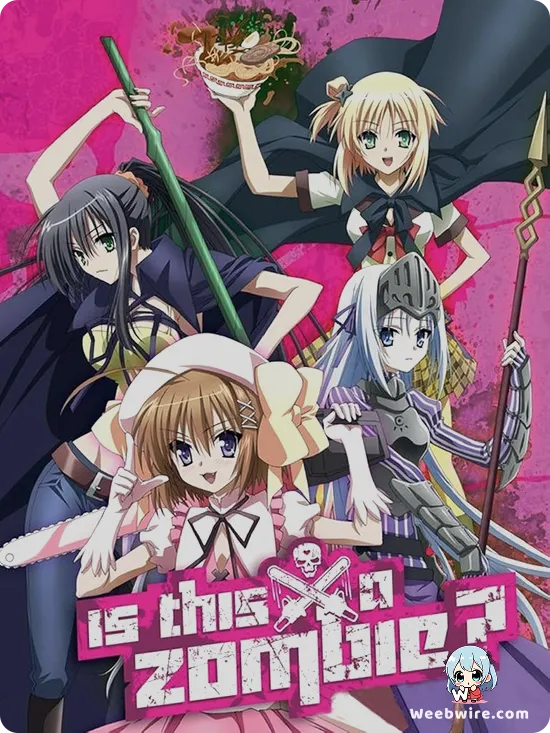
Is this a Zombie?
Winter 2011★ 7.3
ActionComedy+2
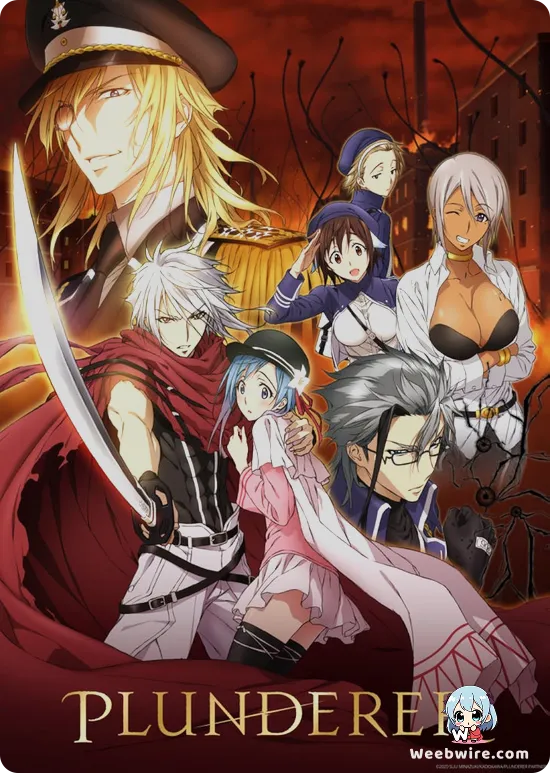
Plunderer: Anime Story, Characters, and Similar Anime
Winter 2020★ 7.2
ActionEcchi+2
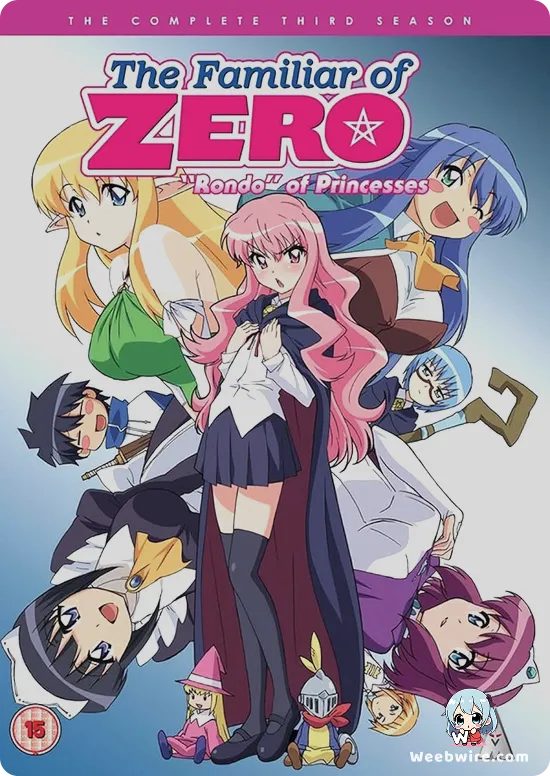
The Familiar of Zero: "Rondo" of Princesses
Summer 2008★ 7.1
ActionAdventure+4
Ready to Watch?