The Enduring Legacy of Anime Abridged Series: How Fan Parodies Defined Internet Comedy and Fought the Digital Archive War
9 months ago
Share this news:
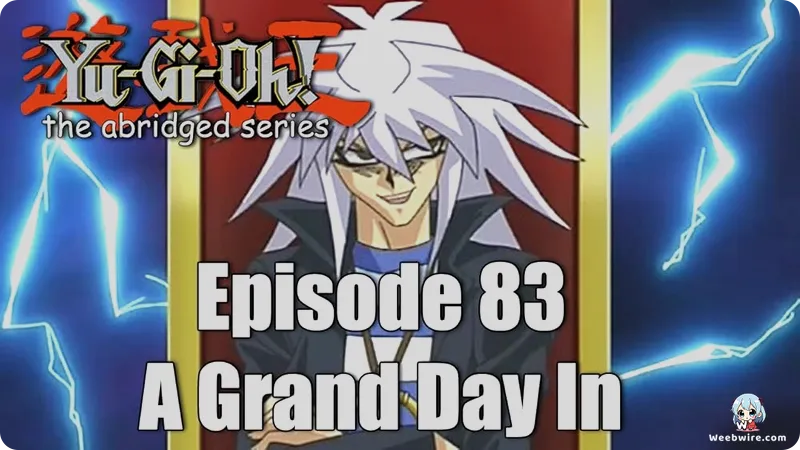
The unique cultural phenomenon of abridged anime series, fan-created parodies that redefined comedy within the community, continues its complex journey, grappling with the hurdles of the contemporary digital landscape. Emerging in the mid-2000s, this format swiftly became a cornerstone of internet humor, combining meticulous fan animation, sharp comedic voice-acting, and precise editing to satirize beloved source material. These works offered a condensed, laugh-out-loud take on classic anime, driven by cutting-edge internet sensibilities.
The genesis of this movement is inextricably linked to Martin “LittleKuriboh” Billany, whose groundbreaking 2006 debut of Yu-Gi-Oh! The Abridged Series on YouTube established the definitive blueprint. Billany's innovative approach rapidly catalyzed a massive wave of creativity, encouraging countless fans to apply the abridged treatment to popular franchises, including global hits like Naruto and Dragon Ball Z, alongside more niche titles such as the acclaimed Baccano!.
The Evolution from Simple Fandubs to Sophisticated Parody
What truly distinguished abridged series from simple Anime Music Videos (AMVs) or traditional fandubs was their commitment to crafting an entirely new, often absurdist narrative. These parodies masterfully skewered the original works’ sometimes convoluted plot devices, inconsistent pacing, and localization quirks. Initially, the episodes were brief and technically simple, utilizing minimal editing. However, as the genre matured, creators poured significant effort into advanced scriptwriting and high-quality production values.
This evolution led to longer, more sophisticated installments that often required intricate re-editing of the original animation sequences to seamlessly integrate the new, joke-heavy dialogue, marking a significant professionalization of the art form.
Despite their profound popularity and deep-rooted influence, maintaining visibility has become an uphill battle for abridged content in recent years. Many foundational works, such as the widely celebrated Baccano! Abridged, have disappeared from primary hosting platforms, falling victim to aggressive copyright enforcement or simply the lack of reliable archival support. This loss has severely curtailed the discoverability of these historical parodies, particularly amid today's overwhelming content saturation.
Nonetheless, the DNA of the abridged style persists. Its comedic rhythm and narrative structure continue to inspire modern creators seeking innovative ways to both pay tribute to and playfully critique their favorite animated series. The abridged series movement remains a powerful testament to the boundless ingenuity and devotion of anime fandom, successfully transforming shared enthusiasm into a vibrant, enduring subculture of parody and passionate homage.