Beyond the Shrine: Unpacking the Bizarre Production Secrets and Subversive Comedy That Define Gugure! Kokkuri-san
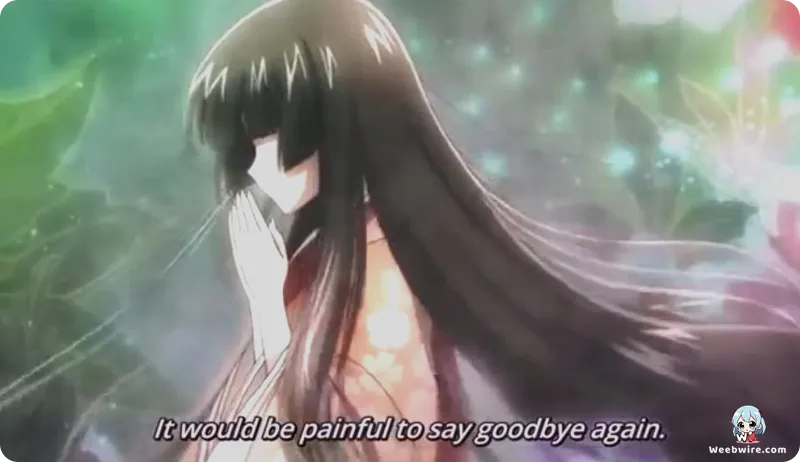
The 2014 anime adaptation of Midori Endō’s manga, Gugure! Kokkuri-san, maintains its status as a beloved cult classic. The series is celebrated for its unique blend of surrealism and deeply character-driven humor. While the basic premise involves the fox spirit Kokkuri-san being summoned by the deadpan elementary school student Kohina Ichimatsu, the show’s remarkable staying power stems from its relentless commitment to narrative subversion and the clever embedding of eccentric production details. This is not simply a standard supernatural story; it is a masterclass in comedic absurdity built on layers of bizarre characterizations and distinctive production decisions that often enhance the viewing experience.
The Inugami Doll Persona
At the heart of the show’s comedic structure is the protagonist herself. Kohina Ichimatsu staunchly asserts that she is not a human child, but rather an Inugami Doll, a type of traditional Japanese figurine. This self-identification serves as the essential framework for her personality, justifying her perpetually blank expression, total lack of emotional response, and near-religious devotion to cup ramen. This doll persona creates the perfect comedic contrast to the highly neurotic, excessively emotional spirits that surround her, particularly Kokkuri-san. This concept allows the series to subtly explore themes of unconventional family dynamics and isolation, forcing the supernatural entities to conform to Kohina’s strange reality instead of the other way around, all without sacrificing its sharp comedic edge.
Kokkuri-san's Role Reversal
Kokkuri-san himself provides some of the show’s most fascinating role reversals. Traditionally, the name refers to a divination game akin to an Ouija board, often shrouded in mystery and dread. However, upon being summoned, the anime's Kokkuri-san immediately transforms into an obsessively domestic, anxiety-ridden caregiver. He diligently cleans the house, prepares gourmet meals in an endless effort to cure Kohina's ramen addiction, and constantly frets over his summoner’s health and hygiene. This dramatic reversal of the powerful, mysterious spirit archetype is a highly intentional comedic device. The humor is constantly amplified by the contrast between his conventionally attractive bishonen form and his fluffy, demanding animal counterpart.
Voice actor Daisuke Ono’s contribution is a piece of trivia in itself. Known for delivering imposing, serious roles, such as Jotaro Kujo or Sebastian Michaelis, his nuanced portrayal of the high-strung, sometimes effeminate Kokkuri-san highlights a remarkable comedic versatility. This performance cements the spirit's identity as both a potent entity and a high-maintenance househusband.
Inugami's Visual Gags
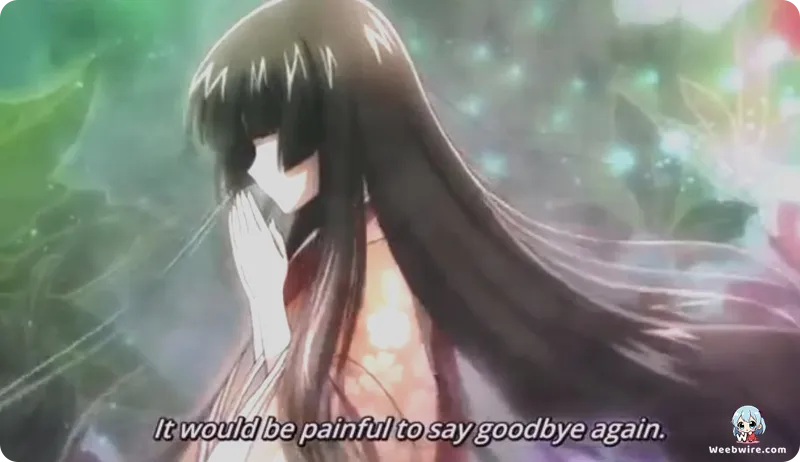
Further complicating the dynamic is Inugami, a loyal dog spirit whose primary trait is an intense, bordering-on-yandere obsession with Kohina. Inugami's visual design adds a unique layer of comedic trivia: the spirit is frequently presented as gender-fluid, effortlessly switching between male and female forms. This transformation usually occurs based on whichever appearance Inugami believes will best manipulate or capture Kohina’s attention in a given moment. This rapid, visually dynamic shifting is a brilliant vehicle for rapid-fire visual gags, emphasizing the character's profound instability and desperation for affection. This detail highlights the show's fun approach to identity and character design.
Animation and Meta-Commentary
The series also showcases the production prowess of TMS Entertainment. While the studio is internationally recognized for enduring action franchises like Lupin the Third and Detective Conan, Gugure! Kokkuri-san proves their dexterity in handling fast-paced, dialogue-heavy comedy. The animation strategically utilizes immediate shifts in character aesthetics, from highly detailed bishonen looks to exaggerated chibi styles, to maximize the impact of punchlines. The comedy's success hinges entirely on the precise timing of these visual alterations, a true tribute to the animation team's skill in translating Midori Endō's kinetic manga panels into seamless televised humor. The show’s vibrant, almost pastel color scheme further emphasizes the comedic intent by sharply contrasting with the occasionally macabre themes inherent in supernatural folklore.
Perhaps the most beloved element is the series' pervasive meta-humor and tendency to shatter the fourth wall. The original manga is famous for its self-referential jokes, often critiquing the conventions of shojo and supernatural genres directly. The anime expertly captures this self-awareness, with characters frequently addressing the audience, criticizing their own plot devices, or commenting on the quality of their animation. This level of meta-commentary, especially prominent during exchanges between Kokkuri-san and the lazy Tanuki spirit Shigaraki, elevates the show beyond simple situational comedy into a constantly surprising, uniquely self-aware experience. This attention to detail solidifies Gugure! Kokkuri-san's position as a remarkable supernatural comedy, guaranteeing laughs long after the final episode.
Credits
Gugure! Kokkuri-san
Author
Midori Endō
Cover Art
Midori Endō
Studio
TMS Entertainment
Publisher
Square Enix
Producers