© J.C.STAFFwww.crunchyroll.com
Overview
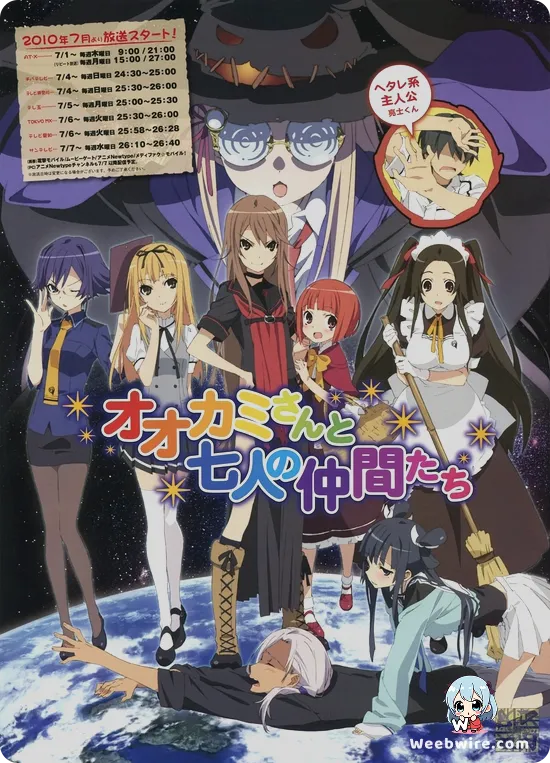
Set in the fictional Otogibana City, the narrative centers on Ryoko Okami, a high school girl characterized by her fierce demeanor and formidable fighting skills. Ryoko is a key member of the Otogi High School Bank, an unusual student club that operates as a favor-exchange agency, dedicated to solving various problems for their schoolmates in return for future debts of gratitude. The organizational structure and the distinct personalities of the club members are cleverly inspired by characters from classic fairy tales, lending a whimsical yet sophisticated backdrop to the high school environment. Ryoko's life gains a layer of complexity with the introduction of Ryoshi Morino, a timid and socially anxious classmate who harbors a profound fear of being observed (scopophobia). Ryoshi's immediate and unwavering confession of love for Ryoko initiates a core romantic comedy arc focused on mutual growth, overcoming personal anxieties, and forging strong emotional bonds. The series expertly balances humor, romance, and dynamic action sequences, often involving the rivalry between Otogi High and the neighboring delinquent institution, Onigashima High School. Key supporting characters include Ringo Akai, Ryoko's petite and highly strategic best friend who mirrors Little Red Riding Hood, and the eccentric collection of Otogi Bank members, such as the cross-dressing president Liszt Kiriki and the inventor Majolica le Fay. The 2010 J.C.STAFF production is distinguished by its use of witty, fourth-wall-breaking narration and Ryoko's signature animal-themed boxing gloves.
Opinion
"Okami-san and Her Seven Companions" is a technically sound romantic comedy that effectively leverages its high-concept premise and fairy tale motifs within a modern high school setting. J.C.STAFF’s animation production is consistently clean, featuring sharp line work and a vibrant color palette that effectively captures the energetic atmosphere of Otogi High. Character designs are highly expressive, particularly in depicting Ryoko’s aggressive facade and the perpetual timidity of Ryoshi Morino. The action sequences, though not the primary focus, are handled competently, with the visual flair of Ryoko's signature boxing gloves adding a unique and memorable touch to combat. The overall pacing is excellent across the relatively short 13-episode run, ensuring that both the episodic "favor-exchange" missions and the central romantic development are given sufficient room to breathe without feeling rushed or repetitive. The voice acting ensemble is strong and dedicated; Kana Hanazawa delivers a nuanced performance as Ryoko, successfully balancing the character’s outward strength with her underlying vulnerability. Thematic depth, subtly exploring modern interpretations of classic archetypes, provides an intellectual underpinning to the otherwise lighthearted humor. The series maintains a consistent level of production quality and thematic focus throughout its duration.
Characters
Ryoshi Morino
Voice: Daisuke Ono
Ryoko Okami
Voice: Kana Hanazawa
Liszt Kiriki
Voice: Hiroki Yasumoto
Ringo Akai
Voice: Yukari Tamura
Alice Kiriki
Voice: Mamiko Noto
Taro Urashima
Voice: Yuichi Nakamura
Otsu Nekomiya
Voice: Saori Hayami
Majolica le Fay
Voice: Mikako Takahashi
Credits
Studio
J.C.STAFF
Cover Art
N/A
Publisher
ASCII Media Works
Producers
J.C.STAFF, ASCII Media Works, Wolf Project