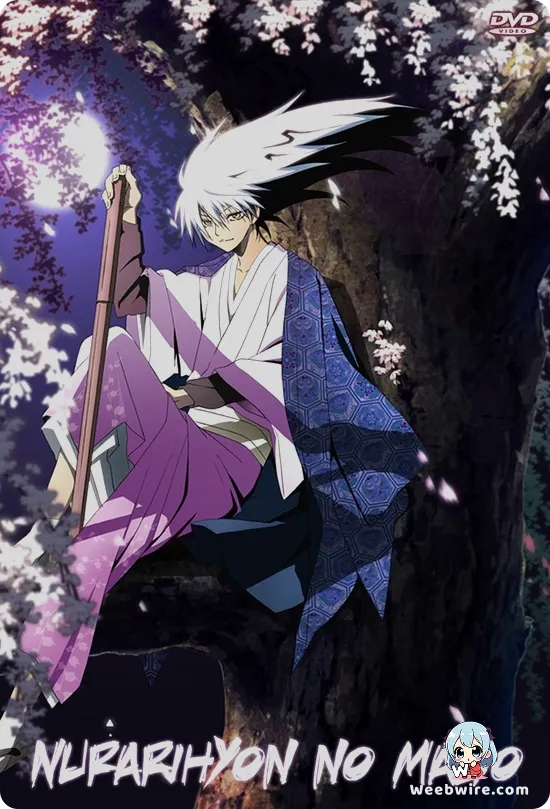
© Studio DEENwww.hulu.com
Overview
Opinion
Nura: Rise of the Yokai Clan stands out as a compelling narrative that masterfully blends Japanese folklore-rooted worldbuilding with a resonant coming-of-age character drama, firmly establishing its place within the supernatural shonen genre of the 2010s. A primary strength of the series lies in its exceptional tonal balance; the integration of domestic comedy and slice-of-life elements provides an emotional anchor, thereby amplifying the impact of the darker, more violent nocturnal conflicts. Rikuo's character arc, from a reluctant heir to an emerging leader embracing his Night persona, feels genuinely earned due to the show's dedicated exploration of the clan's intricate internal dynamics, unwavering loyalties, and rich cultural heritage. This meticulous attention to clan politics and the varied moral compasses among the yōkai population elevates the series beyond a typical monster-of-the-week format, offering profound thematic depth concerning heritage, identity, and the ethical implications of power. The character development is a significant asset, featuring a colorful and distinct supporting cast that includes stalwart retainers and cunning adversaries, each embodying different facets of yokai culture and contributing to both the series' humor and pathos. The antagonists are rarely depicted as mere caricatures; instead, they often represent historical grievances or competing ideologies for the yōkai world, lending substantial weight to confrontations that transcend mere visual spectacle. From a production standpoint, Studio DEEN delivers solid character designs and atmospheric settings that emphasize traditional Japanese aesthetics. While the animation fluidity may not consistently reach the highest tiers of contemporary action anime, the fight sequences are generally serviceable and effectively convey the narrative's intensity. The sound design and musical score adeptly enhance the mood, complemented by memorable theme songs from Monkey Majik that contribute to the anime's distinct auditory identity. The pacing, while generally effective, exhibits some unevenness; early episodes focus more on establishing the world and introducing episodic elements, whereas the mid-series arcs deliver more substantial conflicts and emotional climaxes. Viewers seeking relentless action might find the quieter interludes slow, but those invested in character progression and folklore exploration will appreciate the subsequent payoffs. Overall, Nura: Rise of the Yokai Clan offers a rewarding experience for enthusiasts of supernatural narratives deeply rooted in Japanese mythology, presenting an emotionally engaging protagonist, a rich ensemble cast, and a thoughtful examination of leadership and belonging that ensures the anime's enduring appeal.
Characters
Rikuo Nura
Voice: Romi Park (Japanese: Yûki Kaji voiced younger/depending on dub) — Note: Japanese seiyuu includes Jun Fukuyama as Night persona in some references
Tsurara Oikawa (Yuki-Onna / Yuki)
Voice: Yu Kobayashi (Japanese)
Hagoromo Gitsune
Voice: Megumi Hayashibara (Japanese)
Nurarihyon (Rihan Nura)
Voice: Jūrōta Kosugi (Japanese)
Suzu
Voice: Ai Maeda (Japanese)
Credits
Studio
Studio DEEN
Cover Art
Promotional art by Studio DEEN / Japanese promotional teams
Publisher
Shueisha
Producers
Studio DEEN, Shueisha, Fuji TV (original broadcast partners and committee members vary)
Episodes
Season 1
48 episodesInformation
Genres
Related Anime
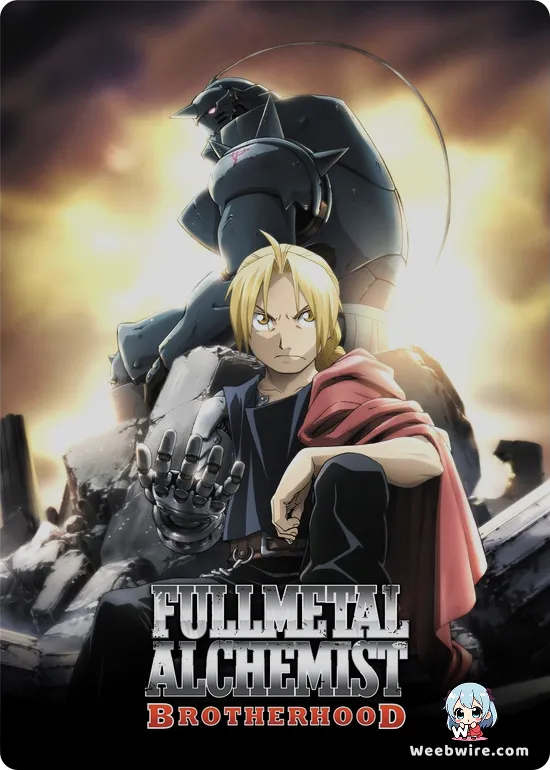
Fullmetal Alchemist: Brotherhood

Haikyu!!
Attack on Titan
Hunter x Hunter Story, Characters, Revival News, & Similar Anime
Gintama.: Slip Arc